
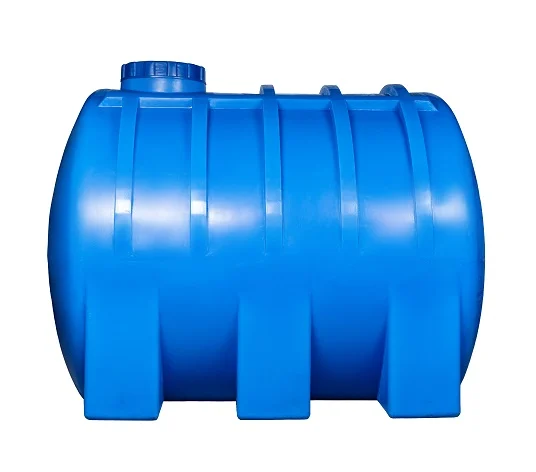
If you’re planning to install or maintain a 500 gallon water tank, here’s the quick answer first:
A 500-gallon tank can store enough water for an average family of four for several days, making it ideal for household, garden, or small business use. It can hold roughly 1,900 liters of water and is commonly made from plastic (polyethylene), stainless steel, or fiberglass. Whether you use it for drinking water, rainwater harvesting, or backup storage, the key to safe and efficient operation lies in proper installation, cleaning, and regular maintenance.
This guide breaks down everything you need to know — how a 500 gallon water storage tank works, what types exist, how to clean and maintain them, and why they’re becoming essential for sustainable living worldwide.
1. Understanding the Purpose of a 500 Gallon Water Tank
A 500 gallon water tank serves as a medium-capacity storage solution for residential and small commercial properties. It’s large enough to store substantial water for daily needs but compact enough to fit on a rooftop, in a backyard, or inside a utility area.
Why This Size Is Popular
- Ideal for small homes or farms: It balances capacity and manageability.
- Emergency water supply: Perfect for droughts or supply interruptions.
- Rainwater harvesting system: A common choice for collecting and reusing rainwater.
- Greywater recycling: Stores treated water for toilets, lawns, or car washing.
Unlike huge industrial tanks, a 500-gallon unit doesn’t require heavy structural reinforcement, making it practical for domestic water storage systems.
2. Common Uses of a 500 Gallon Water Storage Tank
A 500 gallon water storage tank can serve multiple purposes depending on your water source and household size.
Domestic Use
- Drinking and cooking water (with proper filtration)
- Laundry, bathroom, and dishwashing
- Garden irrigation
Commercial or Community Use
- Schools, clinics, and small offices
- Fire safety backup supply
- Cleaning or maintenance storage
Off-Grid and Rural Applications
- Cabin or RV water supply
- Livestock watering
- Rainwater harvesting and reuse
These tanks play a vital role in reducing dependency on inconsistent municipal water systems and promote sustainable water conservation.
3. Material Types: Which 500 Gallon Tank Is Right for You
The material of your water tank 500 gallons affects its durability, safety, and cost. Here’s a simple comparison:
| Material Type | Description | Pros | Cons |
| Plastic (Polyethylene) | Lightweight, UV-resistant plastic tank used for residential purposes. | Affordable, easy to install, non-corrosive. | Can degrade under prolonged sunlight if unshielded. |
| Stainless Steel | Strong metal tank suitable for long-term, hygienic storage. | Durable, corrosion-resistant, hygienic. | Expensive, heavier, requires a solid base. |
| Fiberglass | Reinforced plastic composite tank used for both underground and above-ground setups. | Long lifespan, chemical resistant. | Higher initial cost, needs expert installation. |
| Concrete (Underground) | Heavy tank for buried installations. | Extremely durable, ideal for rainwater storage. | Difficult to relocate, prone to cracking if not sealed. |
Each type of 500 gallon water tank serves different needs — from portable solutions to permanent installations.
4. How to Install a 500 Gallon Water Tank Safely
Installation varies slightly depending on the tank material and location, but the basic steps are the same.
Step-by-Step Installation Guide
- Choose a Stable Base – Select a flat, level surface made of concrete or compacted soil to prevent uneven pressure.
- Prepare Inlet and Outlet Lines – Connect the inlet pipe (from water source or rainwater system) and the outlet to your plumbing or tap.
- Install an Overflow Line – Ensures extra water exits safely during heavy rain or overfilling.
- Secure the Tank Lid – Prevents insects, dust, and leaves from contaminating stored water.
- Add a Filter or First-Flush Diverter (for rainwater tanks) – This ensures only clean water enters.
- Test the System – Fill partially, check for leaks, and ensure smooth flow before full use.
For most homeowners, professional help isn’t mandatory, but ensuring correct fittings, water pressure balance, and ventilation prevents future leaks or bacterial contamination.
5. Cleaning and Maintenance Guide
Regular cleaning is crucial for safe water storage. Dust, sediment, and algae can build up over time, especially in open or rooftop tanks. Here’s the routine:
Quick Tip: According to the U.S. Environmental Protection Agency (EPA), stored water should be kept clean and covered to avoid bacterial growth and mosquito breeding. (Source: EPA – Safe Water Storage)
How to Clean Your 500 Gallon Water Tank
- Drain all water completely.
- Scrub the inner walls and bottom with a long-handled soft brush.
- Use a mild solution of baking soda and white vinegar (chemical-free cleaning).
- Rinse thoroughly with clean water until no residue remains.
- Allow to air dry for 30–60 minutes before refilling.
Related Guide: Learn step-by-step cleaning details in our article — Water Tank Cleaning Guide
6. Maintenance Tips for Long-Term Use
To ensure your 500 gallons water tank lasts years without issues, follow these best practices:
- Inspect inlet/outlet valves and seals every 3 months.
- Keep the lid tightly closed to block insects and dust.
- Clean filters regularly to maintain water flow.
- Avoid direct sunlight exposure to reduce algae growth.
- Check for cracks, leaks, or rust (especially in metal tanks).
- If underground, ensure ventilation and pressure release.
Bullet Tip Summary:
- Drain → Scrub → Rinse → Dry → Seal → Inspect Regularly
This simple habit prevents contamination and extends your tank’s life by several years.
7. How Long Does a 500 Gallon Tank Last?
On average, a 500 gallon water tank lasts 10–20 years, depending on material and maintenance.
- Plastic tanks: 8–12 years (if exposed to sunlight).
- Stainless steel tanks: 20+ years.
- Fiberglass tanks: 15–25 years with proper care.
A well-maintained tank, protected from UV exposure and cleaned regularly, can even surpass 25 years of reliable service.
8. Common Problems and How to Fix Them
Even strong tanks face occasional issues. Here are common ones and their quick solutions:
| Problem | Cause | Fix |
| Algae growth | Sunlight exposure | Use a dark-colored tank, keep covered. |
| Bad smell or taste | Sediment buildup | Clean every 3–4 months. |
| Leak or crack | Overpressure or old seal | Use food-grade sealant or call a technician. |
| Low water flow | Blocked outlet or debris | Clean outlet pipe and filter. |
| Floating debris | Uncovered lid | Always keep the tank lid secured. |
These simple fixes save costly repairs later.
9. Real-Life Case Study: 500 Gallon Tank in Arizona, USA
In Tucson, Arizona, a small family installed a 500 gallon rainwater collection system to supplement their municipal water supply during droughts. The system captured roof runoff through gutters, filtered it, and stored it in a polyethylene tank placed on a concrete base.
They used the water mainly for gardening and cleaning, saving about 1,200 gallons of municipal water per month. Over time, the family noticed fewer plumbing issues and lower water bills.
They also reported that by following quarterly cleaning routines, the water remained odor-free and algae growth minimal — showing how a simple, small-scale system can support sustainable water management even in dry regions.
10. Environmental and Economic Benefits
Water Conservation
Using a 500 gallon tank for rainwater or recycling reduces your dependency on city water systems. This is especially important in drought-prone regions.
Lower Utility Bills
Even small systems can cut monthly bills by 10–30% when used for non-potable applications.
Emergency Preparedness
In case of natural disasters, a full 500-gallon tank provides several days of water for drinking and cleaning.
Eco-Friendly Living
Storing and reusing water supports global sustainability efforts — an important step towards responsible water usage worldwide.
11. Global Relevance and Adaptation
The 500 gallon water storage tank is not only popular in the U.S. — it’s widely used in Asia, Africa, and Europe for different climate conditions.
- In India and Pakistan, it’s common for rooftop installations for daily household supply.
- In Australia, it’s used for rainwater harvesting under water-saving regulations.
- In European countries, it helps rural households store safe drinking water in regions with limited supply.
Its adaptability across environments proves that this tank size is globally efficient and versatile.
12. Frequently Asked Questions (FAQs)
1. How much space does a 500 gallon water tank need?
Roughly 6–7 square feet of level ground or rooftop space is sufficient, depending on the shape (cylindrical or rectangular).
2. Can I drink water stored in a 500 gallon tank?
Yes, if the tank is food-grade, properly cleaned, and the water is filtered or disinfected. Avoid using tanks not certified for potable water.
3. How often should I clean the tank?
Every three to four months, or more frequently in dusty areas or hot climates.
4. Is a 500 gallon water tank suitable for rainwater harvesting?
Absolutely. It’s a popular size for residential rainwater systems. Just ensure a filter and first-flush diverter are installed.
5. How do I prevent algae growth?
Keep the tank shaded or painted a dark color, and always close the lid tightly after each cleaning.
Conclusion
A 500 gallon water tank is one of the most practical, affordable, and sustainable ways to secure reliable water storage for homes, gardens, and small properties. With the right installation, regular cleaning, and preventive maintenance, it can provide clean water for decades while supporting eco-friendly living and lowering water costs.
Summary
A 500 gallon water tank holds around 1,900 liters of water — ideal for small homes and gardens.
It’s versatile, long-lasting, and easy to maintain.
Regular cleaning, tight sealing, and proper installation ensure safe and efficient operation for years.
By following a simple routine and using eco-safe cleaning methods, you can keep your water system healthy, sustainable, and ready whenever you need it.

Ethan Wells is the author of Water Tank Guides, a blog focused on practical tips for water tank cleaning, maintenance, and installation. His mission is to help readers keep their water clean, safe, and their tanks long-lasting through simple, easy-to-follow guides.