
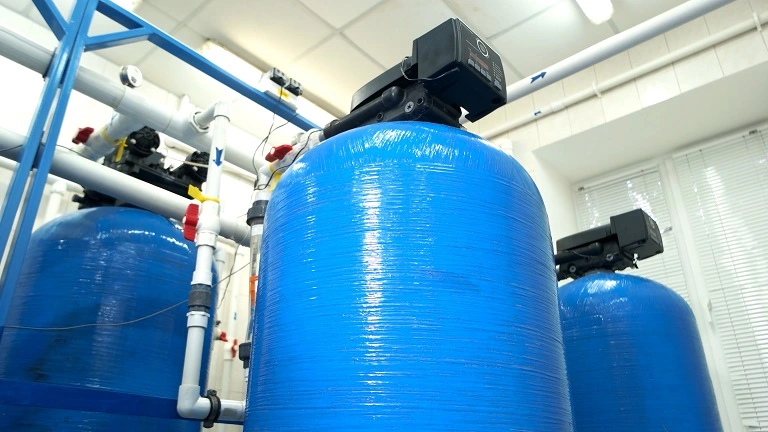
If your home gets water from a well or a private source, you have a very important piece of equipment called the water worker pressure tank. Most homeowners never think about it until something goes wrong, like when the water stops running or your pump runs all the time.
So, what is the job of your water worker pressure tank? Simply put, it is the heart and the battery of your entire water system. It keeps water pressure steady and stops your expensive well pump from turning on and off too quickly. Without it, your pump would constantly run, burn out fast, and cost you a lot of money to fix.
As a maintenance expert who has worked on these systems for over ten years, I want to teach you exactly how this tank works. When you understand the simple science behind it, you can easily fix small problems yourself and make sure your tank lasts for many years.
1. What Exactly is a Pressure Tank and Why is It So Important?
Think of your pressure tank as a big storage container for pressurized air. It is the key to having strong, steady water flow in your home.
A. The Pressure Tank’s Two Main Jobs
Your water worker pressure tank has two critical jobs:
Job 1: Keeping Water Pressure Steady. When your pump fills the tank, the tank stores that water under pressure. When you open a faucet, the tank pushes the water out using this stored pressure. This means the pressure stays strong, not weak and shaky.
Job 2: Protecting Your Well Pump. Every time your pump turns on, it uses a lot of electricity. If you didn’t have a tank, the pump would turn on every time you flushed a toilet or washed your hands. This is called pump short cycling. The pressure tank holds enough water so the pump only turns on a few times an hour instead of dozens. This rest period is the number one thing that gives your pump a long life.
B. The Pressure Switch: Your Tank’s Boss
Connected to your tank and pipes is a small box called the pressure switch. This switch is the brain of the whole system. It has two main settings:
- Cut-In Pressure: This is the low number. When the pressure inside the tank drops below this number (for example, 30 PSI), the switch tells the pump to turn on.
- Cut-Out Pressure: This is the high number. When the pressure inside the tank reaches this number (for example, 50 PSI), the switch tells the pump to turn off.
Your water worker pressure tank works hard between these two numbers. If the tank is failing, these numbers will flash up and down very fast, causing the pump to short cycle.
2. The Inside Story: How Your Water Worker Tank Really Works
To fix a problem, you must know what is happening inside the tank. It is a very simple design, but it has one secret ingredient that must be checked often: the air.
A. The Bladder: Keeping Water and Air Apart
Inside your steel tank is a thick, flexible rubber balloon called the bladder or diaphragm.
- The Water: The water coming from your well pump goes inside this bladder.
- The Air: The air that makes the pressure is held outside the bladder, between the bladder and the steel tank wall.
The bladder’s job is crucial. It keeps the water from touching the metal walls of the tank and keeps the air from dissolving into the water. If the bladder breaks, the system fails fast.
B. The Secret Power: Air Pre-charge
The most important term you need to know is Air Pre-charge. This is the amount of air pressure (measured in PSI) that is put into the tank before any water is added. Think of it as the starting pressure.
This air pre-charge must always be set correctly. It needs to be 2 PSI lower than your cut-in pressure.
- Example: If your pump turns on at 30 PSI (cut-in pressure), your tank’s air pre-charge should be 28 PSI.
If this air pressure is wrong, the tank cannot work correctly, leading to the water worker pressure tank not holding pressure and pump problems.
C. Understanding Drawdown Capacity
When you look at a big tank, you might think it holds 40 gallons of usable water. But it does not! Because of the air inside, the tank can only hold a small amount of water between cycles. This usable water is called the drawdown capacity.
If you have a 40-gallon tank, the drawdown capacity might only be around 10 to 12 gallons. This is the amount of water the tank provides you before the pressure switch hits the cut-in pressure and turns the pump back on. Understanding this helps you see why the air charge must be perfect—it directly controls your drawdown capacity.
3. The Lifespan: How Long Should a Water Worker Pressure Tank Last?
It’s a common and important question: how long should a water worker pressure tank last?
Generally, a good quality pressure tank will last anywhere from 7 to 15 years. The difference between 7 and 15 years depends entirely on a few key things:
A. Quality and Type of Tank
- Bladder vs. Diaphragm: Tanks with full-length bladders tend to last longer because the rubber expands and contracts more evenly.
- Tank Material: Tanks that are heavy-duty and well-built can fight off rust longer.
B. Water Quality
If your well has very hard water (lots of minerals) or a lot of sediment and sand, it damages the inside of the tank faster. Sand can rub and weaken the bladder. Minerals can build up and block the tank’s connections.
C. The Real Killer: Air Loss and Waterlogging
The most common reason a tank dies early is when it loses its air pre-charge over time. Even the best tanks slowly leak a tiny bit of air. When this air is lost, the tank becomes waterlogged.
Waterlogging means the tank is completely full of water and has no air cushion left. When this happens:
- The pump turns on and off constantly (short cycling).
- The water hammers and jolts through the pipes.
A waterlogged tank is not resting your pump, and it’s a sign that the rubber bladder may have also failed.
4. Big Problems: Why is Your Water Worker Tank Failing?
When the tank starts failing, you will quickly notice problems. Here are the top three complaints I get, and what they mean.
A. The Pump Never Stops (Constantly Running Pump)
This is the most serious issue and the one that costs you money in electricity and pump wear. If your well pump is constantly running pump, there are two likely causes:
- A Big Water Leak: You have a leak somewhere in your home or in the pipe running from the well to your house. The pump keeps running to fill the pressure lost from the leak.
- Tank is Fully Waterlogged: The bladder has broken, and the tank is filled with water that has no air cushion. The pressure switch sees no pressure change and cycles the pump on and off rapidly.
Immediate Action: Turn off the power to the pump right away to prevent burning it out.
B. Water Worker Pressure Tank Not Holding Pressure
If you find that your water worker pressure tank is not holding pressure (the pressure gauge drops quickly after the pump turns off), it almost always points to a problem with the air pre-charge.
- Air Loss: The air has slowly leaked out. You need to recharge the air.
- Bladder Failure: The bladder has a tear. The air you pump into the tank goes straight into the water and out of your faucet, instead of staying separated.
C. The Sound of Sand and Water Hammer
If you hear loud banging or knocking in the pipes after you turn off the water, this is called a water hammer. It happens when the system has no air cushion. A healthy tank will absorb that shock. A waterlogged tank will cause the pipes to shake and bang.
Also, if you see a lot of sand or sediment coming through your taps, it means your well screen or filter is letting too much debris through, which will wear down the bladder inside your tank much faster.
5. Your Expert Checklist: Simple Steps to Keep Your Tank Healthy
To get the full 15 years out of your water worker pressure tank, you need to do just one simple thing every six to twelve months: check the air pre-charge.
The Only Time You Need Bullet Points: The Air Check
This check is simple and important. You only need a tire pressure gauge and an air compressor (or bicycle pump).
- Step 1: Turn Off Power. Turn off the power to the well pump at the breaker box. This is critical for safety and to keep the pump from turning on during the test.
- Step 2: Drain the Tank. Open a faucet somewhere in your home (like a garden hose outside) and let the water run until it stops completely and the pressure gauge reads zero. This removes all water and pressure from the tank so you can check the pure air charge. (For deeper tank cleaning, you can follow instructions for cleaning your water tank like the ones here: [https://watertankguides.com/how-to-clean-your-water-tank-at-home/])
- Step 3: Check the Air. Find the Schrader valve on top of the tank (it looks like a tire valve). Use your tire pressure gauge to check the PSI.
- Step 4: Compare and Adjust. Compare this reading to your pump’s cut-in pressure (the low number on your pressure switch). The air charge must be 2 PSI lower than the cut-in pressure. If it’s too low, use the air compressor to pump air back in until it reaches the correct setting.
- Step 5: Test for Bladder Failure. If you press the valve and water (not air) comes out, the bladder is broken. The tank needs to be replaced immediately.
- Step 6: Turn Power Back On. Once the air charge is correct, close the faucet and turn the power back on. The pump will fill the tank, and your system should work perfectly.
6. Real-Life Case Study: Saving a Pump in Rural Ohio
A few months ago, I got a call from a farmer’s family in rural Ohio. They were worried because their electricity bill had jumped, and their well pump was making a loud clicking sound every 30 seconds. They told me their water worker pressure tank was only five years old, and they thought it was fine.
When I arrived, I noticed the pressure switch was clicking on at 30 PSI and off at 50 PSI very quickly. The pump was short-cycling constantly—it would run for five seconds, stop for 30 seconds, and then run again.
The Diagnosis (The Problem):
I immediately checked the air pre-charge. After turning off the pump and draining the water, I used my pressure gauge on the top valve. It read 10 PSI. The correct air pressure should have been 28 PSI (which is 2 PSI below their 30 PSI cut-in setting). The tank was severely waterlogged. Because the air was gone, the tank could only deliver about one gallon of water before the pump had to start again.
The Simple Fix:
- We used an air compressor to pump the air charge back up to the correct 28 PSI.
- We turned the power back on and let the pump run.
The Result:
The pump now ran for a full two minutes and turned off. The family could flush the toilet and wash their hands without the pump even turning on. This simple maintenance step, which took about 15 minutes, stopped the pump short cycling completely, saved them money on electricity, and likely added another five to ten years to the life of their expensive well pump. This shows that the age of the tank doesn’t matter as much as checking that simple air pressure.
7. The Cost of Doing Nothing (Why Maintenance is Key)
Many people avoid checking their pressure tank because it seems complicated. But ignoring it leads to a much bigger cost.
When your water worker pressure tank fails, it causes your pump to run constantly. Running the pump without the tank’s protection is the single fastest way to destroy the pump’s motor. Replacing a well pump can cost thousands of dollars, while fixing the tank’s air charge is almost free.
In fact, keeping your entire water system healthy saves energy. A healthy, properly sized system uses less power because the pump runs less often. The U.S. Environmental Protection Agency (EPA) provides good data on how proper water system maintenance can reduce energy use and costs in your home. It’s always smart to use trusted resources to understand how saving energy helps your home maintenance budget. You can find more information about water efficiency and savings here: https://www.epa.gov/watersense.
Also, when you have a failing tank, the water pressure is poor. You waste water waiting for the flow to get better. This small action of checking the air charge prevents all those big, expensive problems later on.
8. Buying and Replacing: Sizing Your New Tank
If your old tank is leaking water from the valve or the bottom, it needs to be replaced. There is no fixing a rusted, leaking tank shell or a torn bladder.
If you need to replace your tank, you will ask: best way to size a water worker pressure tank for home.
Sizing is important! If the tank is too small, the pump will short cycle all the time. If it’s too big, it can sometimes cause issues too, but being too small is the main problem.
The simplest way for a homeowner to size the tank is to match the Drawdown Capacity (the amount of water the tank actually delivers between pump cycles) to your pump’s flow rate.
- Expert Rule of Thumb: The tank should store enough water to allow the pump to run for at least 60 seconds (one minute) every time it turns on.
- If you have a 10-gallon-per-minute pump, you need a tank that gives you at least 10 gallons of drawdown capacity.
Always check the tank’s specifications for the listed Drawdown Capacity at your specific Cut-in / Cut-out Pressure settings (e.g., at 30/50 PSI).
9. Frequently Asked Questions (FAQs)
Here are the most common questions I hear from homeowners about their tanks:
Q1: What does it mean when my water worker pressure tank is waterlogged?
Waterlogging means your tank is completely full of water and has lost its air cushion. This happens when the air slowly leaks out, or the inner bladder tears, letting the water fill the entire tank space. When a tank is waterlogged, it cannot store pressure correctly, which causes your pump to short cycle every time you use a tiny bit of water.
Q2: How can I tell the difference between a water worker pressure tank and a thermal expansion tank?
The difference is simple. A water worker pressure tank is only used with a well pump system to store water and keep pressure steady. A thermal expansion tank is a smaller tank that is connected to a standard water heater in city homes. Its job is only to handle the extra pressure created when water heats up. They look similar but do completely different jobs.
Q3: My pump runs for two seconds, stops, and runs again. What is wrong?
This is called pump short cycling, and it’s a big problem. This happens because your water worker pressure tank has lost its Air Pre-charge and is waterlogged. The tank cannot hold a cushion of pressure anymore, so the pump has to turn on immediately every time you open a tap. You need to check and adjust the air pressure inside the tank right away.
Q4: Should I worry if I see some rust outside my water worker tank?
A little surface rust (like on the paint) is normal, especially in damp basements or garages. But if you see rust forming around the valve connections or on the very bottom where it sits on the ground, that is a warning sign. Rust on the bottom of the tank often means the steel wall is failing, and the tank will soon leak and need replacement.
Q5: How do I know what the Air Pre-charge should be set at?
The correct Air Pre-charge must be set at 2 PSI lower than your pump’s Cut-in Pressure. For example, if your pump turns on at 40 PSI (your cut-in pressure), then your tank’s air pre-charge should be set to 38 PSI. This setting is critical for the tank’s performance and lifespan. You use a standard tire pressure gauge to check and set this.
For further maintenance tips, read our related guide:
How to Clean Your Water Tank at Home
Conclusion
Your water worker pressure tank is an amazing appliance that silently protects the most expensive part of your water system: the well pump. While the tank itself is very durable, it needs simple, regular care—mainly checking that air pre-charge. By taking a few minutes once or twice a year to ensure the air is set correctly, you stop pump short cycling, prevent waterlogging, and make sure your water pressure stays strong for years to come. Don’t wait until the water goes off to think about your tank.
Summary
A water worker pressure tank keeps home water pressure steady and stops the well pump from running too often. Its average lifespan is 7–15 years, but this depends entirely on maintaining the correct Air Pre-charge (2 PSI below the pump’s Cut-in Pressure). If your pump is running constantly, the tank is likely waterlogged or the bladder has failed, requiring immediate inspection and air adjustment or full replacement.

Ethan Wells is the author of Water Tank Guides, a blog focused on practical tips for water tank cleaning, maintenance, and installation. His mission is to help readers keep their water clean, safe, and their tanks long-lasting through simple, easy-to-follow guides.