
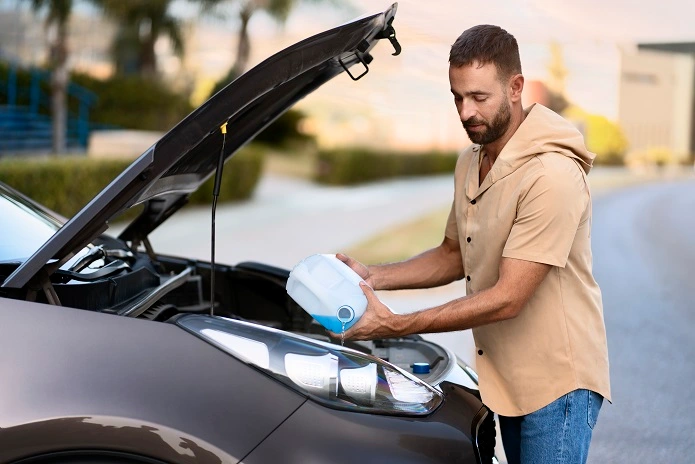
Water inside a gas tank is one of the most common reasons a vehicle suddenly starts running badly. Even a small amount of water can cause the engine to misfire, stall, lose power, or refuse to start. If the problem isn’t fixed quickly, it can damage the fuel pump, injectors, and engine components, which can lead to expensive repairs.
In this complete guide, you will learn exactly how to get water out of a gas tank, how to identify the symptoms, how to confirm water contamination, and how to prevent it from happening again.
This guide is written in simple English, suitable for beginners and car owners who want a clear and easy explanation.
1. Why Water in a Gas Tank Is Dangerous
Water and fuel do not mix. Gasoline floats on top, while water settles at the bottom of the tank. Modern vehicles rely on clean gasoline to run smoothly. When water reaches the fuel pump or fuel injectors, the engine receives an improper fuel mixture and starts acting up.
Main dangers of water in a gas tank:
- Engine misfires
- Rough idling
- Sudden stalling
- Damage to the fuel pump
- Rust inside the tank
- Corrosion in fuel lines
- Hard starting or no start at all
According to vehicle maintenance reports from 2024–2025, even half a cup of water can cause serious engine trouble in smaller cars.
2. What Causes Water to Get Into a Gas Tank?
Understanding the cause helps you prevent the problem in the future.
1. Contaminated Fuel Pump
Sometimes a gas station may have a fuel pump with water inside the underground storage tank. This can mix water with fuel.
2. Condensation (Most Common Cause)
When a fuel tank has a lot of empty space, moisture forms inside the tank, especially in:
- Humid areas
- Cold weather
- Vehicles stored for a long time
The moisture then turns into water droplets and falls into the fuel.
3. Loose or Damaged Gas Cap
A cracked or loose gas cap allows water (especially rainwater) to enter.
4. Vehicle Left Outside During Heavy Rain
If the fuel cap area collects water and the seal is weak, water can leak in.
5. Old or Rusty Fuel Tank
Rust causes tiny holes or weak spots that let water in.
3. Symptoms of Water in a Gas Tank
If you notice any of the following signs, your gas tank may contain water.
1. Hard Starting
The engine cranks longer before starting.
2. Rough Idling
The engine shakes or feels unstable when the car is stopped.
3. Sudden Stalling
The vehicle shuts off randomly while driving or idling.
4. Poor Acceleration
The car feels slow, hesitates, or jerks when you press the gas pedal.
5. Misfiring
The vehicle feels like it is “skipping” or “popping.”
6. Check Engine Light On
Water causes incomplete combustion, triggering warning lights.
7. Rusty Fuel Filter
If you change your fuel filter and see rust or water droplets, that’s a clear sign.
8. Decreased Fuel Efficiency
Water reduces how effectively gasoline burns.
If you have two or more of these symptoms, there is a strong chance water is present in your fuel system.
4. How to Confirm Water in the Gas Tank
Before fixing the issue, you should confirm it.
Method 1: Use a Fuel Water Detector (Test Kit)
These kits detect water in fuel using chemical paper. Very accurate.
Method 2: Check Fuel Filter
If it looks rusty or has water droplets, the tank likely contains water.
Method 3: Drain a Small Sample of Fuel
Water will appear as:
- Cloudy layer
- Bubbles
- A separate layer at the bottom
Method 4: Mechanic Diagnostic
A mechanic can diagnose using fuel pressure and moisture content tests.
If water is confirmed, move to the removal methods below.
5. How to Get Water Out of a Gas Tank (Complete Methods)
This is the main section you are looking for. Below are the safest, most effective ways to remove water from a gas tank.
Method 1: Using Fuel Additives (For Small Amounts of Water)
Fuel additives work by absorbing water and allowing it to burn off safely while driving. They can fix only minor contamination, not large quantities.
Water inside a gas tank is a serious problem that can damage your engine and fuel system. According to EPA guidelines on fuel storage safety (https://www.epa.gov/ust), even small contamination can affect performance.
How to Use It:
- Pour the additive into the gas tank.
- Add fresh gasoline to dilute the water.
- Drive the vehicle for 15–20 minutes.
When this method works:
- Very little water entered the tank
- No severe engine issues yet
- The car still starts and runs
When it does NOT work:
- Large amounts of water
- Car will not start
- Fuel smells strange or looks milky
This method is a quick fix, but not a long-term solution for heavy contamination.
Method 2: Siphoning the Gas Tank (Medium Contamination)
This method removes most of the water and contaminated fuel without removing the tank.
What You Need:
- Siphon pump
- Fuel-safe container
- Gloves
- Safety goggles
Steps:
- Open the fuel tank.
- Insert the siphon hose to the bottom.
- Pump out as much fuel as possible.
- Dispose of old fuel safely.
- Add fresh gasoline.
- Add a water-removing additive.
This method removes most water but may leave some residue.
Method 3: Completely Draining the Gas Tank (Most Effective Method)
This is the best and safest method when you have a lot of water inside the tank.
Steps:
- Locate the fuel tank drain plug (if your car has one).
- Jack up the car safely.
- Place a container under the tank.
- Open the drain plug and let all fuel flow out.
- Close the plug.
- Add at least 2 liters of fresh gasoline.
- Drain again (optional – for complete cleaning).
- Refill the tank with clean fuel.
- Replace the fuel filter.
If the tank does not have a drain plug:
The tank may need to be removed by a mechanic.
Best for:
- Heavy water contamination
- Cars that won’t start
- Flood-damaged vehicles
Method 4: Cleaning the Fuel Pump and Fuel Lines
Sometimes, after removing water, the car still runs poorly because water has already moved into the pump or lines.
What to do:
- Flush the fuel lines with clean gasoline
- Replace the fuel filter
- Clean or replace the fuel pump screen
Why it works
Water leaves rust and moisture inside the fuel system, which must be cleaned to restore smooth operation
Method 5: Professional Mechanic Service
Choose this method if:
- Car won’t start at all
- Water contamination is severe
- Fuel pump may be damaged
- You are not comfortable working with fuel
What the mechanic will do:
- Drain tank
- Inspect for rust
- Clean pump
- Flush fuel lines
- Replace filter
- Refill with fresh fuel
This is the most thorough method but also the most expensive.
6. What NOT to Do
Avoid these common mistakes:
Do NOT drive with water in your tank.
It can damage the engine and catalytic converter.
Do NOT add random household chemicals.
They can damage fuel injectors.
Do NOT ignore warning signs.
Even small water contamination can lead to expensive repairs.
7. How to Prevent Water From Getting Into Your Gas Tank Again
Prevention is easier than fixing the problem.
1. Keep Your Tank at Least Half Full
Reduces condensation.
2. Replace Damaged or Loose Gas Caps
A worn-out cap allows water and dirt to enter.
3. Use Reliable Fuel Stations Only
Avoid unknown or low-quality pumps.
4. Avoid Parking Near Water During Rain
Water can seep into the cap area.
5. For Long-Term Storage
Add a fuel stabilizer and fill the tank.
6. Periodically Inspect the Fuel Tank
Especially if your car is old or parked outdoors.
8. Real-Life Cases (Updated 2024–2025)
Case Example 1: Contaminated Fuel Station
In 2024, several drivers in Florida reported engine failure after a gas station accidentally pumped fuel mixed with water. Most vehicles needed the entire tank drained and fuel filters replaced.
Case Example 2: Condensation in Stored Car
A 2025 maintenance report showed many cars stored for long periods developed water accumulation through condensation alone.
Real examples show how common this problem is—and how important quick action is.
Read more: Toilet Tank Not Filling With Water
9. Conclusion
Removing water from a gas tank is necessary to protect your engine and fuel system. The best and most effective method is draining the tank completely and refilling it with fresh, clean gasoline. Fuel additives can help with minor water contamination, but heavy contamination requires siphoning or professional cleaning.
If you notice misfiring, rough idling, poor acceleration, or difficulty starting, check for water contamination immediately. Keeping your tank sealed, filled, and protected can prevent this issue in the future.
Water in your fuel tank is dangerous—but with the right steps, you can fix it safely and restore your car’s performance.
FAQs
1. Can I drive with water in my gas tank?
It is not safe. It can cause engine damage, stalling, or fuel pump failure.
2. How much water can damage the engine?
Even a few tablespoons can cause misfires in modern cars.
3. Will water remover fix the problem completely?
Only if the water amount is very small.
4. Can water cause the check engine light to turn on?
Yes, because it affects fuel combustion.
5. Does draining the tank remove all water?
Yes, it is the most effective method for heavy contamination.

Ethan Wells is the author of Water Tank Guides, a blog focused on practical tips for water tank cleaning, maintenance, and installation. His mission is to help readers keep their water clean, safe, and their tanks long-lasting through simple, easy-to-follow guides.