
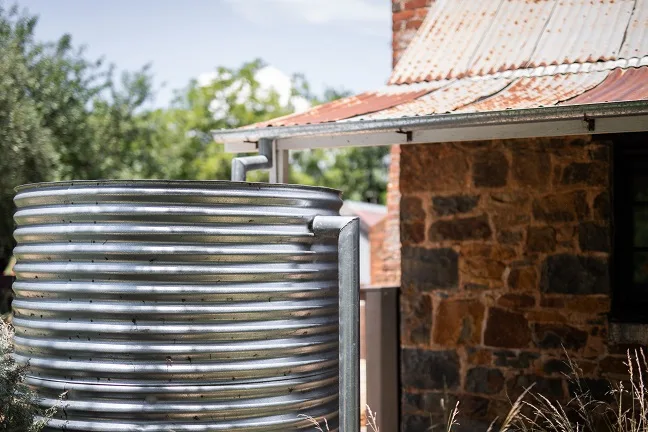
Rain tank water is the water that’s collected from rainfall and stored in special containers called rain water tanks for later use. Instead of letting rain simply flow off rooftops and down drains, many homeowners now save it through rain water collection tanks — a method known as rainwater harvesting. This stored rain tank water can later be used for watering gardens, washing cars, cleaning floors, and, after proper treatment, even for household use such as laundry or flushing toilets.
In 2025, with water shortages and rising utility costs in many parts of the world, using rain tank water will become one of the most practical and eco-friendly solutions for households. It allows you to make use of a natural resource that would otherwise go to waste — the rain falling on your roof.
Quick Definition
Rain tank water refers to the rainwater collected and stored in a tank for later household or garden use. It’s part of a rainwater harvesting system designed to reduce water waste and save utility costs.
Why It Matters
In many areas, rainfall is seasonal — meaning long dry periods can follow heavy rains. Collecting and saving rainwater helps families stay prepared during water restrictions. According to environmental experts, households using rain water tanks can reduce their dependence on municipal water by up to 40%, lowering both costs and environmental strain.
A Sustainable Habit for Modern Homes
From small suburban homes to rural farms, rain water harvesting tanks are now common. The setup is simple: a catchment area (usually your roof), gutters that guide water into a rain water collection tank, and a storage system that keeps it clean and ready for use. This system not only saves money but also promotes sustainability by reusing what nature provides freely.
In the sections that follow, we’ll explore how these tanks work, the different types you can choose from, how to treat and maintain your water, and the common questions people ask before starting their own rainwater harvesting system.
How Rain Tank Water Systems Work
A rain tank water system is designed to collect, filter, and store rainfall safely for later use. While every setup may look a little different, the main process is always the same — the rain that falls on your roof is guided through gutters, filtered to remove debris, and stored in a rain water tank or rain water collection tank. From there, it can be used for outdoor tasks or treated for indoor use.
Let’s break down how this process works step by step.
1. Rainfall Collection (Catchment Area)
The system begins with your roof, which acts as the main catchment surface. When it rains, water flows down the slope of the roof into connected gutters.
To ensure the water is clean, it’s best if your roof is made from non-toxic materials like coated metal or tiles, not old asbestos or painted surfaces that may leach chemicals.
2. Gutter and Downpipe System
From the roof, water travels into gutters and then through downpipes connected to the tank. A good gutter system should include mesh guards or leaf screens to stop debris like twigs, dust, or insects from entering.
Regularly cleaning these gutters is crucial for maintaining the quality of rain tank water.
3. First-Flush Diverter
This is one of the most important components.
A first-flush diverter is a simple device that automatically diverts the first few liters of dirty water — the one that carries dust, leaves, and bird droppings from the roof — away from the tank. Once this initial flow is flushed, cleaner rainwater starts filling your rain water tank.
This small step keeps stored water safer and reduces bacterial growth inside the tank.
4. Storage in Rain Water Tanks
After passing through filters and diverters, the clean water flows into a rain water tank — the main storage unit.
These tanks can be made of plastic, steel, concrete, or fiberglass, depending on your location, budget, and capacity needs.
Larger rain water harvesting tanks are often used in rural areas or farms where water demand is higher, while smaller tanks suit residential homes perfectly.
Inside the tank, water stays cool and dark to prevent algae growth. Some systems even include mosquito-proof screens on tank openings to keep insects away.
5. Delivery and Usage
Once stored, the water can be accessed through a gravity-fed outlet or a pump system that delivers it to garden taps, toilets, or irrigation systems.
For indoor use (like washing machines or flushing), many households install a filtration unit or UV disinfection system to ensure the water is safe.
In homes that use rain water collection tanks for drinking or cooking, it’s strongly recommended to have advanced filters and regular water testing for bacteria and pH balance.
6. Smart Rainwater Systems (Modern Upgrade)
In 2025, modern systems often include smart sensors that track water levels, filter performance, and even rainfall patterns. These upgrades make maintenance easier and help users optimize storage — ensuring you never run out of rain tank water during dry months.
Key Takeaway
A well-designed rain tank water system turns every rainfall into a free and sustainable water source.
When properly filtered and stored, rainwater can safely serve your garden, home, and even your emergency water supply — while reducing strain on city water systems.
Read more: Hot Water Tank Leaking
Types of Rain Water Tanks
Not all rain tanks are the same. The type of rain water tank you choose will depend on your space, budget, and how you plan to use the collected rain tank water. Each material and design comes with its own strengths and weaknesses — some are built for long-term durability, while others are made for easy installation and portability.
Below are the most common types of rain water tanks used for homes and small businesses in 2025.
1. Plastic (Polyethylene) Rain Water Tanks
These are the most popular choices for residential properties.
Plastic or poly rain water tanks are lightweight, easy to install, and available in a wide range of sizes and shapes — from slimline tanks that fit alongside a wall to large round tanks for gardens.
Pros:
- Affordable and easy to transport
- Resistant to rust and corrosion
- Ideal for areas with limited space
Cons:
- Can degrade over time under strong sunlight (choose UV-stabilized material)
- Not suitable for storing hot water
Best for: Urban or suburban homes that want a low-maintenance option for rain tank water storage.
2. Steel Rain Water Tanks
Steel tanks are durable and strong, making them a good choice for long-term rainwater storage. They’re often coated with zinc or galvanised steel to prevent rust.
Modern models also use food-grade liners to keep rain tank water clean and safe for use.
Pros:
- Very strong and long-lasting
- Suitable for large capacities
- Can be recycled (eco-friendly)
Cons:
- Heavier and harder to install
- Can corrode if lining is damaged
Best for: Larger properties or farms using rain water harvesting tanks for high water demand.
3. Concrete Rain Water Tanks
Concrete tanks are often built on-site or pre-cast and placed underground.
They’re strong, temperature-stable, and can last several decades with minimal maintenance. Because concrete is naturally alkaline, it also helps balance the pH of the stored water.
Pros:
- Long lifespan (30+ years)
- Keeps water cool and algae-free
- Can be built underground to save space
Cons:
- Expensive and requires professional installation
- Hard to move once installed
Best for: Rural or agricultural setups where rain water harvesting tanks are used for irrigation, livestock, or fire protection.
4. Fiberglass Rain Water Tanks
These tanks are made from reinforced fiberglass and are known for their strength and resistance to chemical damage.
They’re lighter than concrete but more durable than plastic.
Pros:
- Long-lasting and UV-resistant
- Doesn’t rust or corrode
- Easy to clean and maintain
Cons:
- More expensive than plastic
- Limited shape options
Best for: Areas with extreme weather conditions where strength and stability are key.
5. Underground Rain Water Tanks
When outdoor space is limited, underground rain water tanks are an excellent solution.
These tanks are buried below the surface and connected to your home’s plumbing or garden irrigation system through a pump.
Because they’re out of sight, they keep your yard uncluttered and your rain water collection tank cool throughout the year.
Pros:
- Space-saving and hidden from view
- Maintains cool temperature (less algae growth)
- Great for urban areas with small yards
Cons:
- Higher installation cost
- Difficult to inspect or repair leaks
Best for: Modern homes or city residences with limited outdoor space.
6. Above-Ground Rain Water Tanks
These are the most common tanks seen in residential backyards.
They’re easy to install, inspect, and clean. Because they’re visible, any leaks or issues can be quickly detected.
Pros:
- Easy to install and maintain
- Affordable compared to underground tanks
- Variety of sizes and designs
Cons:
- Can occupy visible space in the yard
- Exposed to sunlight and temperature changes
Best for: Most homeowners who want a quick, cost-effective way to store rain tank water.
Choosing the Right Tank
When selecting your rain water tank, consider:
- Your household water demand
- Available space (above or below ground)
- Budget and maintenance level
- Purpose of water use (garden, toilet, laundry, or full home system)
A well-sized and properly installed tank can provide thousands of liters of rain tank water each year — reducing your utility costs and helping the environment.
Benefits of Using Rain Tank Water
Installing a rain water tank is more than just a smart home improvement — it’s an investment in sustainability, savings, and self-reliance. Whether you live in a dry region or an area that receives heavy rainfall, using rain tank water helps you make the most of what nature freely provides.
Here are the key benefits every homeowner should know before installing a rain water collection tank or rain water harvesting tank.
1. Reduces Your Water Bills
One of the biggest advantages of using rain tank water is the immediate drop in your monthly water bills.
Every time you water your garden, wash your car, or clean your home with stored rainwater instead of municipal supply, you’re saving treated water — and money.
According to a 2025 EPA study, households that use rain water harvesting tanks can reduce municipal water usage by up to 40% annually. Over time, that adds up to significant savings.
2. Provides a Reliable Backup Water Source
Water shortages and supply cuts are becoming more common due to climate change and population growth.
Having a rain water tank gives your home a reliable backup. During dry spells, you can still use rain tank water for essential tasks like cleaning, flushing toilets, or watering plants — without worrying about restrictions or shortages.
This is especially useful in regions where water bans are imposed during drought seasons.
3. Reduces Stormwater Runoff and Flooding
When it rains heavily, most of that water flows into drains, carrying dirt, oil, and waste into local rivers.
A rain water collection tank helps capture a portion of this runoff, reducing the amount of polluted water entering the drainage system.
This small step not only prevents local flooding but also helps protect natural waterways from erosion and contamination.
4. Supports Eco-Friendly Living
Every drop of rain tank water you use is a step toward a greener planet.
By using stored rainwater for daily chores, you help reduce the energy and chemicals used to treat and pump municipal water.
Additionally, because rain water harvesting tanks lower dependence on groundwater, they help maintain the natural balance of the ecosystem. It’s a simple way to live more sustainably — right from your own backyard.
5. Improves Garden and Plant Health
Rainwater is naturally soft and free of chemicals like chlorine and fluoride, which are commonly found in treated tap water.
This makes rain tank water ideal for gardening and lawn care. Plants absorb nutrients more efficiently from untreated rainwater, resulting in healthier growth and greener leaves.
Gardeners often notice the difference — lawns become lusher, flowers bloom brighter, and soil health improves with regular use of rainwater.
6. Helps During Emergencies
A rain water tank can become a lifesaver during emergencies like pipeline breaks or temporary municipal outages.
Stored water can be used for cleaning, hygiene, or even treated for drinking if properly filtered and disinfected.
In rural areas or farms, large rain water harvesting tanks often serve as emergency supplies for livestock or firefighting during dry months.
7. Boosts Property Value
Homes equipped with rain water collection tanks are increasingly attractive to eco-conscious buyers.
Many real estate experts note that properties with sustainable water systems are valued higher because they offer long-term utility savings and environmental benefits.
So, your rain tank isn’t just helping you save water — it’s also an investment that adds value to your property.
8. Helps Communities Conserve Municipal Water
When many homes in one neighborhood use rain tank water, the collective savings can ease pressure on public water systems.
This means fewer shortages, fewer restrictions, and better sustainability for the entire community.
In drought-prone regions, governments even offer rebates or tax incentives for installing rain water harvesting tanks, recognizing their positive impact on long-term water management.
Key Takeaway
Using rain tank water isn’t just about saving money — it’s about protecting resources for the future.
With every rainfall, you have the chance to capture, store, and reuse clean water in a way that benefits both your household and the environment.
Common Concerns About Rain Tank Water Safety
One of the most common questions homeowners ask before installing a rain water tank is whether the water will be safe to use.
The truth is, rain tank water is naturally clean when it falls from the sky, but it can become contaminated if the system isn’t properly maintained. Dust, leaves, bird droppings, and even roof materials can affect the water’s quality if not managed carefully.
Let’s look at the main factors that influence rain tank water safety and how you can make sure the water stored in your rain water collection tank stays clean and healthy.
1. Roof and Gutter Contamination
Rainwater first lands on your roof, which means whatever is on that surface — dust, animal waste, or old paint — can mix with the water.
If the roof is made from materials like asbestos or lead-based paint, it can leach harmful particles into your tank.
Solution:
- Use roof-safe materials such as coated steel or concrete tiles.
- Install leaf guards and gutter screens to block debris.
- Clean your roof and gutters at least twice a year, ideally before the rainy season begins.
2. Bacteria and Algae Growth in Tanks
If the tank isn’t sealed properly or if sunlight enters through openings, algae can grow inside.
Similarly, insects and small animals may enter through vents or loose fittings, bringing bacteria and parasites.
Solution:
- Always install mosquito-proof screens on inlets and overflows.
- Keep the tank lid tightly closed.
- Clean the inside of your rain water tank once every 6 to 12 months.
- Use opaque materials that block sunlight to prevent algae growth.
3. Stagnant Water and Odor Problems
If the water sits for too long without circulation, it can develop a stale smell due to lack of oxygen. This may also encourage mosquito breeding or biofilm buildup inside pipes.
Solution:
- Add a small aeration pump or stir the tank periodically.
- Check for proper drainage so that fresh rain replaces old water.
- Make sure your first-flush diverter is working properly to remove dirty water before it enters the tank.
4. Sediment and Dirt Accumulation
Over time, fine dust and particles can settle at the bottom of your rain water collection tank, making the water cloudy or affecting its taste.
Solution:
- Install a sediment filter between the tank and the outlet.
- Flush the bottom of the tank occasionally to remove built-up sediment.
- Clean filters regularly to maintain flow and water clarity.
5. Chemical Leaching
Plastic tanks made from low-quality materials can sometimes release chemicals into the water, especially under strong sunlight.
Similarly, metal tanks without a protective liner may rust and contaminate the stored water.
Solution:
- Always choose food-grade, UV-stabilized tanks.
- For steel tanks, ensure there’s an internal protective liner that prevents corrosion.
6. Is Rain Tank Water Safe to Drink?
In most cases, rain tank water is best used for non-drinking purposes — like gardening, cleaning, or toilet flushing.
However, with proper filtration and disinfection, it can be made safe for household use.
If you plan to use rain water tanks for drinking or cooking, you’ll need:
- A multi-stage filtration system (sediment + carbon + UV or chlorination).
- Regular water testing for bacteria, pH levels, and minerals.
Many families in rural and off-grid areas safely drink rainwater after following these treatment steps.
7. Government and Safety Guidelines
Environmental agencies recommend that stored rainwater should be treated and tested regularly before human consumption.
For accurate safety information, refer to official resources such as the U.S. Environmental Protection Agency (EPA).
EPA Rainwater Harvesting Guidelines
This ensures your water storage meets public health standards and avoids contamination risks.
Key Takeaway
Rain tank water is safe to use — provided it’s collected, stored, and treated correctly.
By keeping your roof, gutters, and tank clean, and using a proper filtration system, you can enjoy a sustainable and reliable water source for years to come.
How to Treat Rain Water in a Tank (Step-by-Step Guide)
Even though rainwater begins to pure, it can collect dust, pollen, bird droppings, or roof particles before entering your rain tank water system.
To make sure the water stays safe and clear, treatment is essential — especially if you plan to use it for household cleaning, washing, or gardening.
Here’s a simple, step-by-step guide to treating rain water in a tank effectively.
Step 1: Pre-Filtration – Keep Dirt Out From the Start
Before rainwater even enters your rain water tank, it should pass through a first-flush diverter and gutter filter.
- First-flush diverter: Removes the first few liters of dirty rainwater that wash off the roof.
- Leaf guards or mesh filters: Trap leaves, dust, and debris before they reach the tank.
- Gutter screens: Keep insects and nesting materials out.
Pro Tip: Cleaning your pre-filters every few months improves water quality and prevents clogs that could overflow your rain water collection tank.
Step 2: Sediment Filtration – Remove Fine Particles
Even after pre-filtration, fine dust and small sediments may still settle inside the tank.
- Add a sediment filter or cartridge filter at the tank outlet.
- It removes dirt, sand, and other particles that make the water cloudy.
- Sediment filters are usually the first stage in most rainwater treatment systems.
This step keeps your rain water tanks clear and protects any appliances or pumps connected to the system.
Step 3: Carbon Filtration – Improve Taste and Odor
If your rainwater smells stale or metallic, it may contain organic materials or mild chemical residues from roofing materials.
- A carbon filter helps remove bad odors, chlorine, or unwanted taste.
- It also reduces trace chemicals that might have leached from roof coatings or tank walls.
- Carbon filters should be replaced every 6–12 months for best performance.
This makes the stored rain tank water fresher and more suitable for household use.
Step 4: Disinfection – Kill Germs and Bacteria
Disinfection is the most important part of rainwater treatment, especially if you plan to use it for personal or indoor purposes.
There are three main ways to disinfect your rain water tank:
- UV (Ultraviolet) Sterilization:
- Uses light to kill microorganisms like bacteria, viruses, and algae.
- Chemical-free and safe for home use.
- Best for continuous treatment of water from your rain water collection tank.
- Chlorination:
- Adds small amounts of chlorine to kill bacteria.
- Useful if the water will be stored for long periods.
- Always measure carefully (around 5 mg/L for storage water).
- Boiling (for emergency use):
- If you only need a small amount of rainwater for drinking, boiling it for 5–10 minutes ensures it’s safe.
Step 5: Regular Tank Maintenance
No matter how advanced your filtration system is, it won’t work properly if your tank is dirty or neglected.
- Clean your rain water tank at least once a year.
- Drain out old water and scrub the inner walls with mild bleach or vinegar.
- Check the tank lid, inlet, and overflow pipe for cracks or leaks.
- Remove any sludge or sediment buildup from the bottom.
This ensures your rain tank water remains fresh and reduces bacterial growth.
Step 6: Water Testing
Once the system is set up, it’s a good idea to test your water occasionally — especially if it’s used for drinking, pets, or aquaponics.
You can test for:
- pH level (should be between 6.5 and 8.5)
- Bacteria count (no E. coli or coliforms should be present)
- Turbidity (clear water = healthy water)
Test kits are inexpensive and available online or at hardware stores.
If any test shows contamination, repeat the filtration and disinfection steps.
Step 7: Proper Storage Practices
Even clean rainwater can turn bad if stored improperly.
- Keep your rain water tanks covered at all times.
- Avoid direct sunlight exposure to prevent algae growth.
- Use opaque or dark-colored tanks to block UV light.
- Ensure your overflow outlet has a mosquito screen.
Proper storage keeps your system safe and makes maintenance easier over time.
Summary: The Right Treatment Protects Your Rain Tank Water
Treating rain tank water is not difficult — it just requires consistency.
By combining filtration, disinfection, and good maintenance, you can safely use your stored rainwater for gardening, washing, or even drinking (after advanced treatment).
This process also extends the life of your rain water collection tank and keeps your family protected from waterborne diseases.
Environmental Benefits of Rain Water Tanks
Collecting and storing rain tank water isn’t just good for your home — it’s one of the simplest and most effective ways to help the environment. By using a rain water tank, you can conserve treated water, protect the ecosystem, and reduce the burden on city water systems.
Let’s explore the main environmental benefits of rain water tanks and why this sustainable practice matters more than ever in 2025.
1. Reduces Pressure on Municipal Water Supply
Every drop of rainwater you store means one less drop that needs to be pumped, treated, and delivered through public pipelines.
When many homes use rain water harvesting tanks, it collectively reduces pressure on city water treatment facilities — especially during droughts or water shortages.
In large cities, this practice can save thousands of gallons of treated water per household each year, cutting down the energy and resources needed to purify and transport water.
2. Minimizes Stormwater Runoff and Flooding
Heavy rain can cause overflowing drains and flooding, especially in urban areas with concrete surfaces.
A rain water collection tank captures and stores that excess water before it turns into destructive runoff.
Benefits include:
- Less soil erosion around your property.
- Reduced risk of street flooding.
- Lower contamination of rivers and lakes from runoff pollutants.
By storing water locally, you help stabilize your neighborhood’s drainage system.
3. Prevents Pollution in Local Waterways
Rainwater that runs off rooftops and streets often carries oil, chemicals, and debris into storm drains — eventually ending up in rivers and oceans.
When you install a rain water tank, you trap that water before it can transport pollutants downstream.
This helps keep local ecosystems cleaner and supports the survival of aquatic life that can be harmed by toxins and sediment.
4. Conserves Energy Used for Water Treatment
Treating and distributing municipal water requires significant energy — from pumping to filtration and chemical disinfection.
By relying more on rain tank water, households can reduce their overall energy footprint.
For example:
- Every 1,000 gallons of rainwater used for washing or irrigation saves energy that would have been used for water purification.
- Reduced demand also lowers greenhouse gas emissions from water treatment plants.
This makes rain water tanks not only a water-saving tool but also an energy-efficient choice.
5. Promotes Sustainable Gardening and Agriculture
Gardeners love using rain water harvesting tanks because the water is soft, naturally free of chlorine, and ideal for plants.
Tap water often contains additives like fluoride or chlorine that can stress delicate plant roots over time.
Benefits for your garden include:
- Healthier soil bacteria and earthworms.
- Stronger, greener plants.
- Reduced dependence on irrigation systems.
For small farms or backyard vegetable gardens, rainwater is a free, sustainable water source that supports long-term soil health.
6. Reduces Groundwater Depletion
In many areas, people rely on underground wells for water. Over time, excessive groundwater pumping lowers the water table and can lead to dry wells or land subsidence.
Using a rain water tank helps reduce that strain. Instead of drawing from underground reserves, you’re simply storing the water nature provides — helping maintain groundwater levels for future generations.
7. Encourages Eco-Friendly Living
Collecting rain tank water is an easy first step toward sustainable living. It doesn’t require major construction or expensive technology — just a good-quality tank and a filtration setup.
By using rainwater for:
- Washing cars
- Watering lawns
- Flushing toilets
- Cleaning outdoor spaces
…you make small, daily choices that collectively reduce your household’s environmental footprint.
8. Supports Climate Resilience
As climate change continues to impact rainfall patterns, having rain water tanks can make communities more resilient.
During dry seasons or unexpected droughts, stored water ensures a reliable backup supply.
This helps reduce stress on public systems and gives homeowners peace of mind that they can manage water use independently — even in extreme weather events.
Summary: Small Steps, Big Environmental Impact
Installing and using rain water tanks is a simple action with wide-reaching environmental benefits.
It saves treated water, reduces runoff pollution, protects soil, and builds resilience against climate changes.
By turning every rainfall into a resource, you’re not just conserving water — you’re helping protect the planet.
Case Study: The Wilson Family, Austin, Texas (2024)
Background:
The Wilson family lives in Austin, Texas — a region known for hot summers and inconsistent rainfall. Like many local homeowners, they were looking for ways to reduce water bills, keep their garden green, and live more sustainably.
In 2024, they decided to install a 1,000-gallon rain water harvesting tank beside their garage. Their goal was simple: store rainwater for outdoor use, car washing, and garden irrigation.
Step 1: Setting Up the System
The Wilsons’ home had a large roof area with metal gutters. They added:
- A first-flush diverter to remove dirty initial runoff.
- A leaf filter on the downpipe.
- A sealed polyethylene rain water tank with a tap outlet and overflow pipe.
- A small pump to move stored water to garden sprinklers.
Installation took just two days and cost around $1,400, including basic plumbing and labor.
Step 2: Water Quality and Maintenance
After their first rainfall, the tank filled halfway — enough for nearly two weeks of lawn watering.
They followed a simple maintenance plan:
- Cleaned gutters every 3 months.
- Checked the filter after heavy rain.
- Emptied and rinsed the tank once a year.
Because of Texas’ high pollen levels, they also added a carbon filter to remove any odor from the stored rain tank water.
Step 3: The Results After 6 Months
By mid-2025, the Wilson family had used more than 5,000 gallons of stored rainwater, saving approximately $160 on their municipal water bill.
But the benefits went beyond money:
- Their rain-fed plants looked greener and healthier.
- The rain water tank helped prevent runoff pooling near the house during storms.
- They reduced overall tap water usage by nearly 30%.
Mrs. Wilson said:
“It’s incredible how much water we used to waste. Now every rainfall feels like free water from nature. I can’t imagine gardening without our tank.”
Step 4: Community Impact
After seeing the Wilsons’ setup, three neighbors installed rain water harvesting tanks as well.
Together, their small neighborhood began capturing thousands of gallons per season — reducing stormwater runoff and helping keep the area’s drainage systems clear.
This real-world example shows how a single rain water tank can inspire a ripple effect of sustainability across communities.
Step 5: Key Takeaways
- Ease of setup: Homeowners can install basic rain water tanks with minimal plumbing.
- High return: Saves money on water bills, especially in dry regions.
- Environmental bonus: Less pressure on city water, reduced runoff pollution.
- Scalability: Works for homes, schools, and even small businesses.
In short, the Wilsons proved that rain tank water isn’t just a backup — it’s a long-term, practical investment in sustainable living.
Lesson Learned
The most successful rain water collection systems are simple, well-maintained, and consistently used.
When homeowners combine smart setup, filtration, and routine cleaning, their rain water tanks provide years of dependable service.
FAQs About Rain Tank Water
1. Can rain water get into your septic tank?
Generally, rainwater should not flow into your septic tank system.
Septic tanks are designed to handle only household wastewater (from toilets, sinks, and showers), not large volumes of rainwater.
If rainwater accidentally enters the septic system — for example, through improperly connected gutters or surface runoff — it can cause:
- Overflowing or flooding inside the tank
- Reduced bacteria efficiency
- Backflow into drains or toilets
Tip: Always ensure your rain water collection tank and drainage pipes are separate from your home’s septic line.
2. How to install a rain water tank?
Installing a rain water tank is a simple process that can be done by homeowners or professionals. Here’s the basic setup guide:
- Choose a flat surface: The area should be stable and level.
- Position near gutters: Connect a downpipe from your roof to the tank inlet.
- Add a filter and first-flush diverter: This removes dirt and debris before it enters the tank.
- Install overflow and outlet valves: To control excess water and allow access for use.
- Connect to a pump (optional): For garden irrigation or house plumbing.
- Cover the tank tightly: Prevent mosquitoes and algae growth.
A small rain water tank (500–1000 gallons) can usually be installed within one day.
3. How to treat rain water in a tank?
Rainwater needs to be filtered and disinfected before use, especially if it’s for drinking or washing.
- Sediment filters remove dirt and dust.
- Carbon filters remove odor and chemicals.
- UV light or chlorination kills bacteria.
- Annual cleaning of your tank keeps the water fresh and clear.
This combination ensures that your rain tank water stays safe and suitable for different uses.
4. Can I put rain water in my fish tank?
Yes, but only after treatment.
Raw rainwater collected from the roof can contain:
- Heavy metals (like zinc or lead from gutters)
- Dust and bird droppings
- Acidic residue
Before using rainwater in a fish tank:
- Filter it using a carbon or sediment filter.
- Test the pH level (should be 6.5–7.5 for most fish).
- Let it aerate for 24–48 hours before adding fish.
Properly treated rain water tanks can safely support aquariums and aquaponics systems.
5. Can I use rain water for my fish tank?
Yes — treated rain water is excellent for fish tanks because it’s soft and chlorine-free.
However, make sure:
- The water is stored in a clean rain water collection tank.
- It’s tested for ammonia, nitrites, and hardness.
- You add minerals if needed, since rainwater can lack calcium and magnesium.
Fish thrive in naturally balanced water, so always test and condition it before use.
Many aquarium enthusiasts prefer rainwater because it mimics natural environments.
6. How long can rain water be stored in a tank?
If properly maintained, rain tank water can be safely stored for up to 6–12 months.
To extend water life:
- Keep your tank sealed from light and insects.
- Regularly clean filters and pipes.
- Drain and refresh the tank once a year.
The less contamination at the inlet, the longer your stored water remains fresh.
7. Is rain water safe for drinking?
Rainwater is naturally clean but may pick up impurities as it falls or runs over the roof.
If you plan to drink it, you must:
- Filter it (sediment + carbon filters).
- Disinfect it (UV light or boiling).
- Test it for bacteria and metals.
Many rural homes in the U.S. safely drink treated rainwater, but proper maintenance is key to avoiding contamination.
8. What size rain water tank do I need?
It depends on your roof size, rainfall, and water use.
As a rule of thumb:
- Small gardens: 500–1,000 gallons
- Medium homes: 1,500–3,000 gallons
- Large households or farms: 5,000+ gallons
Use a rainwater tank calculator to estimate your ideal size based on rainfall data in your area.
9. Does rainwater go bad?
Yes, if it’s left untreated for too long.
Stagnant rain water tanks can grow algae, bacteria, or even mosquitoes.
Keeping your system shaded, filtered, and sealed ensures the stored rain tank water stays clean.
10. Can rainwater damage concrete or metal tanks?
Not usually — but long-term exposure can cause slow corrosion or mineral buildup, especially if the pH level is too low.
Using plastic or polyethylene rain water tanks reduces this risk and lasts longer in most climates.
Conclusion
Using a rain water tank is one of the simplest ways to harness nature’s resources for sustainable living. Whether you’re collecting rainwater for gardening, flushing toilets, or even aquaponics, a properly installed and maintained rain water collection tank ensures safe, reliable, and eco-friendly water storage.
From reducing water bills to protecting the environment, the benefits of rain tank water extend beyond your home — helping your community and conserving precious resources for future generations.
By combining smart setup, regular maintenance, and appropriate treatment, every household can maximize the potential of rainwater while minimizing risks.
Summary
- Rain tank water is a sustainable and cost-effective water source.
- Proper installation and maintenance prevent contamination.
- Treatment methods (filtration, UV, or chlorination) make rainwater safe for indoor use and aquariums.
- Choosing the right rain water tank type (plastic, steel, concrete, fiberglass, underground) depends on your space, usage, and budget.
- Environmental benefits include reduced municipal water demand, less stormwater runoff, and improved ecosystem health.
- Community impact is significant — multiple households with rain tanks can help manage local water resources efficiently.
With careful planning, a rain water collection tank becomes a long-term investment in sustainability, cost savings, and water security.

Ethan Wells is the author of Water Tank Guides, a blog focused on practical tips for water tank cleaning, maintenance, and installation. His mission is to help readers keep their water clean, safe, and their tanks long-lasting through simple, easy-to-follow guides.