
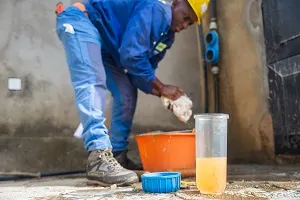
If you’re wondering why water tank cleaning is important, here’s the short answer:
Regular cleaning keeps your stored water safe from bacteria, algae, and sediment buildup, protecting your family’s health and ensuring your plumbing system runs smoothly. Even clear-looking water tanks can hide harmful microorganisms if not cleaned every few months.
Now let’s explore in detail why this simple task matters, how often to clean, and what happens if you ignore it.
1. 3 Reasons Why Water Tank Cleaning Is Important
Whether your tank is plastic, concrete, or metal, it directly affects the quality of water you use every day.
Here are the three main reasons why every homeowner should keep their tank clean:
- Protect Your Health – Dirty tanks can harbor bacteria like E. coli and Legionella, leading to stomach infections and respiratory issues.
2. Prevent Odors and Taste Issues – Sediment and algae growth make your water smell bad and taste metallic.
3. Extend Tank Life – Regular cleaning removes dirt and prevents corrosion or cracks that can shorten the tank’s lifespan.
Even a small layer of slime or residue can multiply bacteria within days, especially in warm climates.
2. Health and Hygiene Benefits
The most crucial reason why water tank cleaning is important is health safety.
According to the U.S. Centers for Disease Control and Prevention (CDC), poor water hygiene can lead to waterborne diseases such as diarrhea, dysentery, and even typhoid.
When your tank stays clean, you ensure that:
- Water for drinking, bathing, and cooking stays germ-free.
- Children and elders stay protected from contaminated water illnesses.
- You maintain an overall healthy home water system.
Regular tank maintenance is one of the easiest ways to safeguard your family’s well-being year-round.
3. What Happens If You Don’t Clean Your Water Tank
Neglecting your water tank can cause silent but serious problems.
Here’s what happens when you skip cleaning:
- Algae starts to grow, turning the water green or cloudy.
- Rust and sediment build up and reduce water flow.
- Bacteria multiply, making water unsafe for use.
- Bad odor develops due to organic residue.
- Pipes and filters clog, increasing repair costs.
Once the contamination starts, even boiling or filtering won’t fully solve the issue — the source (tank) must be cleaned.
4. How Often Should You Clean the Tank
Experts recommend cleaning your water tank every 3 to 4 months.
If your area has dusty water or supply interruptions, clean it every 2 months.
Smaller tanks get dirty faster because the same sediment concentration builds up in less volume.
Consistency is key — set a reminder and stick to a schedule.
5. Step-by-Step Water Tank Cleaning Process
Cleaning is simple if you follow the right steps:
Step 1: Turn off the water supply and drain the tank completely.
Step 2: Remove dirt and debris from the base using a scoop.
Step 3: Scrub walls and base using a soft brush or mop.
Step 4: Rinse thoroughly with clean water.
Step 5: Disinfect using natural cleaners like vinegar or baking soda.
Step 6: Let it air-dry before refilling.
✔ Quick Checklist:
- Drain → Scrub → Rinse → Dry → Refill
This simple 5-step process ensures your tank stays spotless and hygienic.
6. Eco-Friendly Alternatives to Chemical Cleaners
Using bleach or harsh chemicals may clean fast, but they leave residues that can harm your health.
Try these eco-friendly options instead:
- White vinegar: Kills bacteria and removes stains.
- Baking soda: Neutralizes odors and removes slime buildup.
- Lemon juice: Adds freshness and helps dissolve organic deposits.
These natural cleaning solutions are safe, sustainable, and effective for both plastic and metal water tanks.
7. Maintenance Tips for Long-Term Hygiene
To keep your tank cleaner for longer:
- Always keep the tank lid tightly closed.
- Avoid direct sunlight exposure — it promotes algae growth.
- Install a fine mesh filter on the inlet pipe.
- Clean pipes and filters every 6 months.
- Inspect your tank for cracks or leaks.
These small habits save you major repair costs in the long run.
8. Real-Life Case Study – Orlando, Florida
A family in Orlando, Florida, noticed cloudy water and odor from their 500-gallon tank. They switched from bleach to a natural cleaning mix of baking soda and vinegar.
After two cleanings, the water turned clear, odor-free, and safe. Their maintenance cost dropped by 40%, and they now clean every 3 months.
Their experience proves that natural cleaning methods work globally — effective, cheap, and safe for families.
- Related Articles
10. Conclusion
The answer to why water tank cleaning is important is simple — it keeps your water pure, your health protected, and your plumbing safe.
A clean water tank means no bacteria, no bad odor, and no hidden contamination.
Whether you clean it yourself or hire a professional, consistency matters most.
Start today, and make this part of your home’s hygiene routine — your water (and your health) deserve it.
Frequently Asked Questions (FAQs)
1. How often should a household clean its water tank?
Most households should clean their water tank every 3 to 4 months. Areas with dusty supply lines or poor water quality should be cleaned more frequently.
2. Can I clean my water tank naturally without chemicals?
Yes! Natural cleaners like vinegar, lemon juice, and baking soda remove bacteria and odors effectively without leaving toxic residue.
3. What are the health risks of not cleaning a water tank?
Neglecting cleaning can lead to bacteria growth like E. coli, algae buildup, and contaminated water that causes diarrhea and infections.
4. How can I prevent algae growth in my water tank?
Keep your tank tightly closed, out of direct sunlight, and clean every few months. Adding a fine mesh filter also helps.
5. Does cleaning the tank extend its life?
Absolutely. Regular cleaning prevents rust, cracks, and buildup — extending your tank’s lifespan and reducing plumbing repairs.
Summary
Regular water tank cleaning keeps your water fresh, odor-free, and safe from bacteria.
It protects your family’s health, extends tank life, and supports eco-friendly living.
A few hours of cleaning every few months ensure months of clean, safe water.

Ethan Wells is the author of Water Tank Guides, a blog focused on practical tips for water tank cleaning, maintenance, and installation. His mission is to help readers keep their water clean, safe, and their tanks long-lasting through simple, easy-to-follow guides.